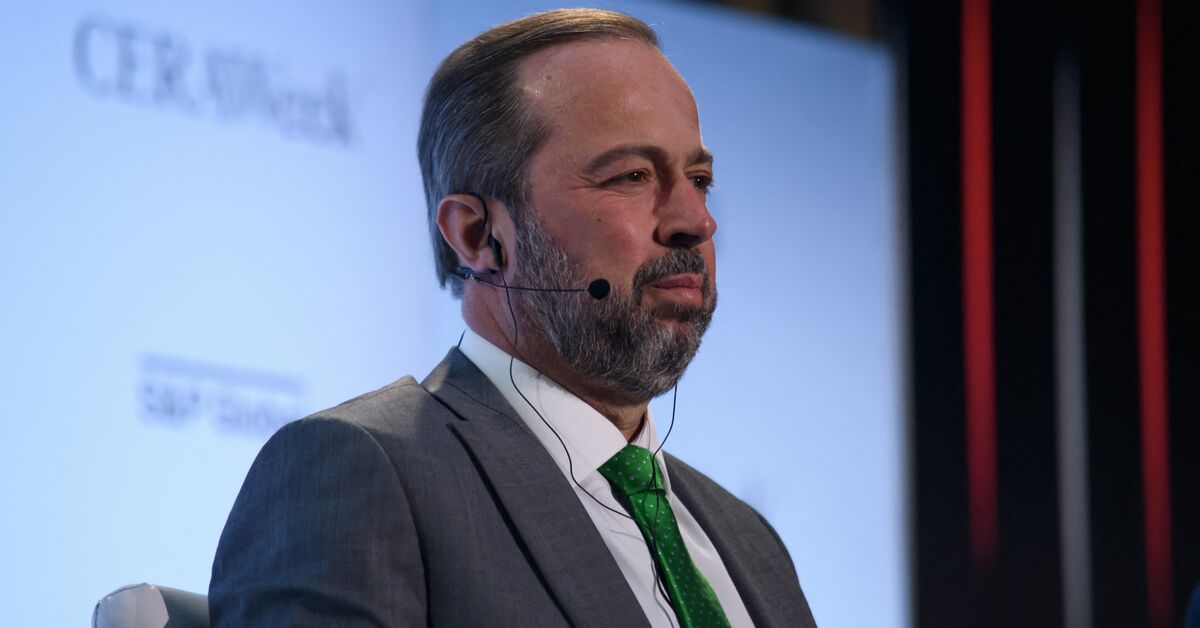
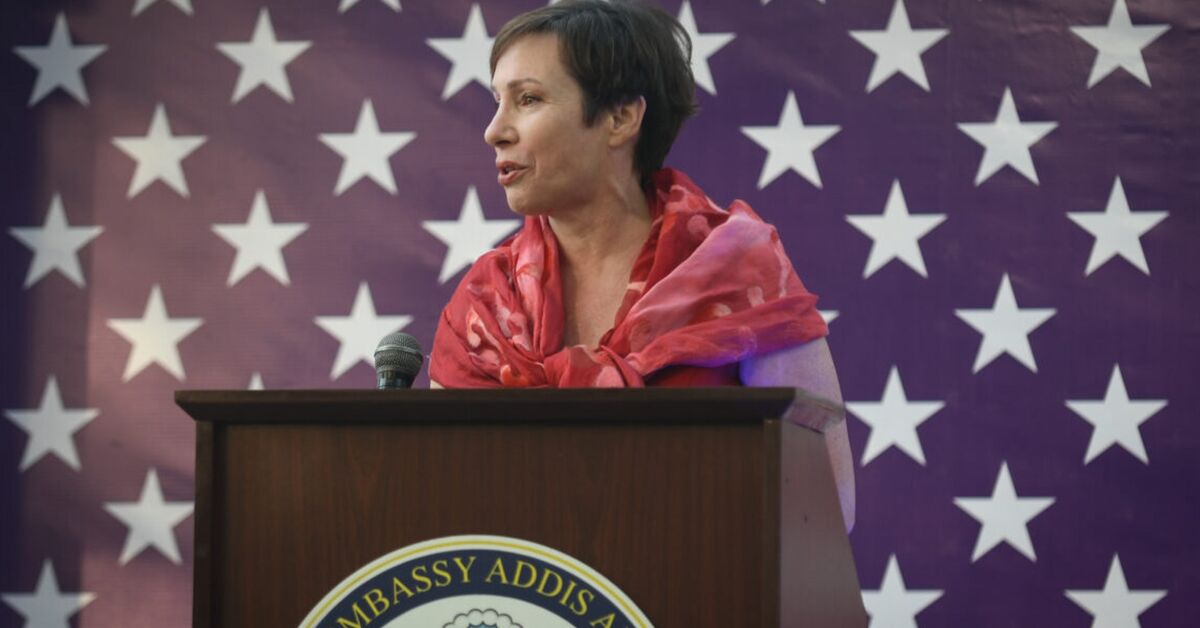

President Joe Biden’s nominee for ambassador to Iraq told US lawmakers that any future shift in the role of the US military in the country would take into consideration the resurgent threat of the Islamic State (ISIS) in Iraq.
“I will ensure any transition from Operation Inherent Resolve to a bilateral security arrangement is geared toward the defeat of ISIS and Iraq’s security,” US Ambassador Tracey Jacobson told the Senate Foreign Relations Committee in a hearing on Thursday, using the US operational name for the international military effort to defeat ISIS in Iraq and Syria.
ISIS has continued to carry out small-scale attacks since its defeat by US-backed Iraqi forces in 2017. Last month, ISIS fighters were suspected of attacking an Iraqi army post, killing several Iraqi soldiers, including a commander.
Jacobson served as ambassador to Tajikistan, Turkmenistan and Kosovo, most recently leading the US Embassy in Ethiopia in an interim role. In response to reports this week that federal officials arrested eight Tajikistani nationals with alleged ties to ISIS, she said that the militant group remains a threat to US homeland security as well as regional security in the Middle East.
“When we think about Iraq in particular, we have to think about what attracts people to these terrorist organizations in the first place. The need for economic development, the need for a government that has sufficient ability to provide services to its people, so that it reduces the draw of terrorism and also reduces the influence, for example, of the Iran-aligned militia groups, which are active in politics and economics, as well as taking shots at us,” Jacobson said.
The al-Hol camp in northeastern Syria, which holds the families of ISIS fighters, can be a “recruiting ground for terrorism,” she added. If confirmed, Jacobson said she would work to close the camp and bring women and children “at a more rapid pace into Iraq for rehabilitation and reintegration.”
Speaking to recent attacks on US forces in Iraq by Iran proxy groups, Jacobson said the United States needs to be prepared to take military strikes when necessary “to degrade infrastructure and on some occasions to actually take out the individuals who’ve been plotting those attacks against our interests.”
The Foreign Relations Committee and Jacobson agreed that Iran poses the greatest threat to Iraq, and that the United States must help Iraq reach energy independence. “They have increasing energy needs because their economy and their population [are] growing. So we all need to get ahead of that curve,” she said.
Biden tapped Jacobson in 2021 to lead the “whole-of-government effort” to relocate Afghans who worked with the US mission in Kabul as the country fell to the Taliban. Sen. Ted Cruz (R-Texas), who sits on the Senate Committee on Foreign Relations, told The Free Press in February that Jacobson played a role in “the abandonment of vetted Afghans who had risked their lives for our security, and it will undoubtedly mar and endanger her nomination.”
Notably, neither Cruz nor any other Republican senator on the panel questioned Jacobson Thursday about the Special Immigrant Visa program for Afghans. However, she could still face headwinds related to the evacuation as her nomination advances to a vote.
US return to Libya
For the first time in a decade, the State Department plans to return US diplomats to Libya. Jennifer Gavito, Biden’s nominee for ambassador to Libya, would lead the opening of “an interim diplomatic facility” in the capital of Tripoli. The Biden administration says the process could take one to two years.
Senators questioned Gavito as well as Biden’s nominee for ambassador to Algeria, Joshua M. Harris, on Thursday.
“I believe it has been a mistake for the United States to go this long without a physical presence inside Libya. Our friends and adversaries are there. It is a country of deep historic and current importance to the United States. We need to be there,” Sen. Chris Murphy (D-Conn.) said.
Gavito told senators Thursday that her commitment to safeguard US personnel in the process is “extremely personal.”
“Chris Stevens was a friend. I had dinner with him the week before he was murdered,” she said, referring to the US ambassador who was killed along with three other Americans in the 2012 attack on the US mission in Benghazi.
But US diplomats can’t sit behind walls, she agreed.
“The Russian ambassador in Libya is using as a talking point, ‘We are here and the United States is not.’ It’s all over the media. So we have to get out. We have to engage,” Gavito said.
Moscow’s deepening foothold is a driving factor in the US return to Libya. “Through its arms trafficking through and to Libya, [Russia] is setting itself up to further destabilize the Sahel region, as well as NATO’s southern flank, and so it is deeply concerning,” Gavito added.
Senate Foreign Relations Chairman Ben Cardin (D-Md.) said Thursday the United States needs to be “actively engaged” in fighting Russian and Chinese influence in Libya. Similarly in Algeria, Cardin said: “Russia is trying to fill a much larger role. We have to be aggressive there.”