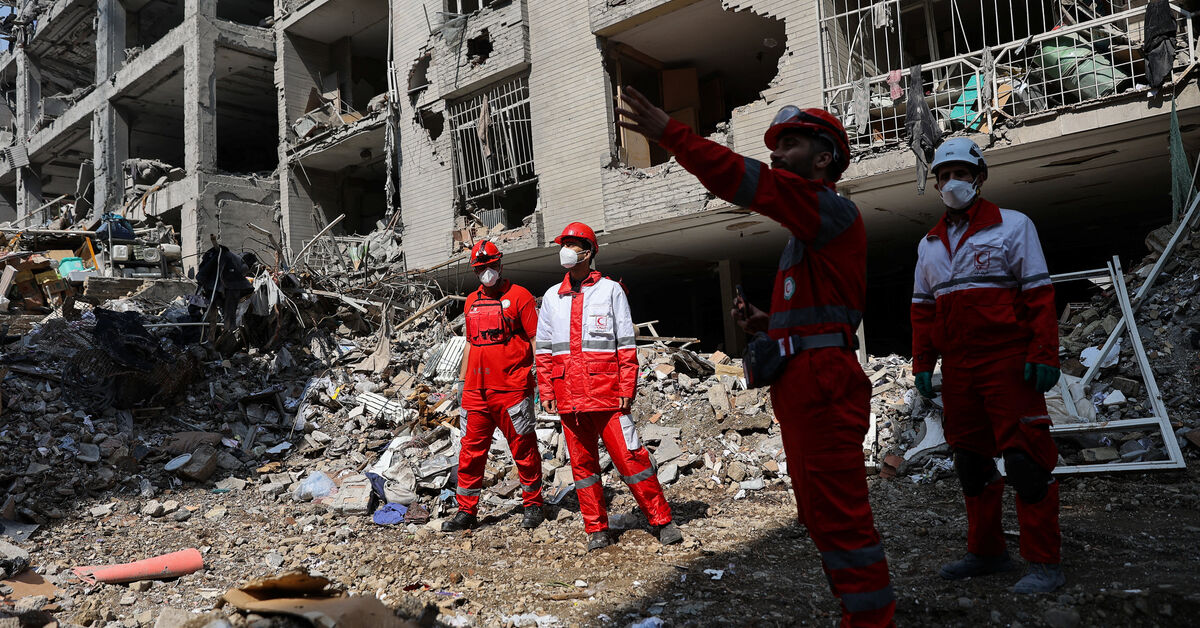

Qatar’s main gas facility has suffered extensive damage after several rounds of Iranian strikes, causing new energy supply fears as the Middle East war grinds on.
Here is a look at some of the key energy facilities that have been targeted in the US-Israel war with Iran.
– Ras Laffan –
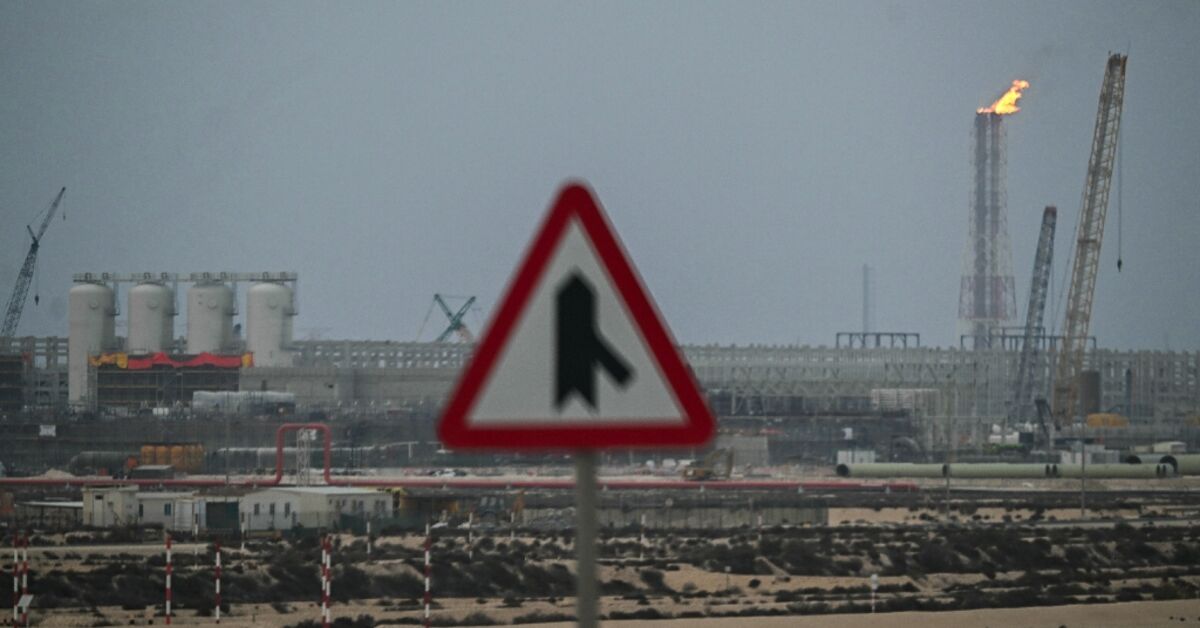
Ras Laffan in Qatar is the world’s largest liquefied natural gas (LNG) hub.
It has been repeatedly targeted by Iranian strikes since the war began, and has now suffered “extensive damage” after back-to-back waves of hits, state-run QatarEnergy said.
Early Thursday, QatarEnergy reported “sizeable fires” and significant damage at several LNG facilities at the hub.
That came after an earlier attack on the Ras Laffan Industrial City on Wednesday had already caused extensive damage to a gas-to-liquids facility.
Qatar shares the world’s largest natural gas reservoir with Iran.
QatarEnergy estimates the Gulf state’s portion of the reservoir, the North Field, holds about 10 percent of the world’s known natural gas reserves.
In recent years, Qatar has inked a series of long-term LNG deals with France’s Total, Britain’s Shell, India’s Petronet, China’s Sinopec and Italy’s Eni, among others.
Earlier in March, Iranian attacks forced QatarEnergy to halt LNG production and declare force majeure.
– South Pars –
Iran’s strikes on Ras Laffan come after its South Pars/North Dome field was hit on Wednesday.
The South Pars mega-field is the largest known gas reserve in the world, and supplies around 70 percent of Iran’s domestic natural gas.
The strikes on the field, which it shares with Qatar, caused a fire, Iranian state television said.
The strike was condemned by some of Iran’s Gulf neighbours, including Qatar and the United Arab Emirates, who have seen energy facilities in their countries come under repeated Iranian attack.
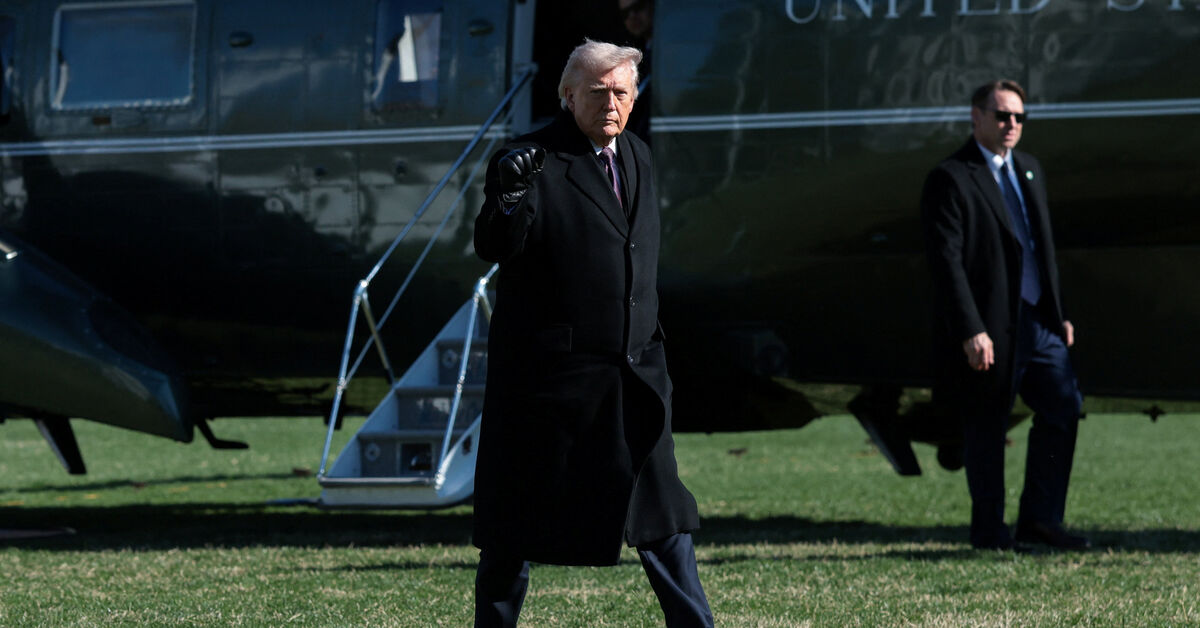
US President Donald Trump said Thursday that Israel had carried out the attack and Washington “knew nothing” about it.
But he warned that if Iran continued attacks against Qatar, US forces would “massively blow up the entirety” of the South Pars field.
– Kharg –
Kharg island, around 30 kilometres off Iran’s mainland, is a hub for roughly 90 percent of the country’s crude oil exports.
It was hit in US strikes on Saturday, but Iranian officials said afterwards that exports were continuing normally and there had been no casualties.
Trump had threatened to target the island’s oil infrastructure if Iran continues to block the Strait of Hormuz, a crucial passage for energy and other exports from the region.
Iran has pledged to block export of all oil through the strait, and has targeted vessels attempting to transit the narrow chokepoint, wreaking havoc on exports reliant on the passage.
– Ruwais refinery –
The Ruwais oil refinery, in the emirate of Abu Dhabi, is the world’s fourth largest single-site refinery, according to state-owned operator Adnoc.
Operations there were halted earlier this month as a “precaution” after a drone attack on the industrial complex housing the facility, a source told AFP.
The source did not say whether the refinery had been hit. Adnoc did not make an official announcement.
– Ras Tanura –
The Ras Tanura facility along Saudi Arabia’s eastern Gulf coast is home to one of the largest refineries in the entire Middle East and a cornerstone of the kingdom’s energy sector.
The complex has a capacity of 550,000 barrels per day.
It has been repeatedly targeted in Iranian strikes, including a drone attack early in the conflict that caused a fire and forced a partial shutdown of the refinery.
Bloomberg reported Wednesday, citing an unnamed source, that operations had now resumed at the facility.
Gulf countries’ output of oil and oil products has plunged from 30 million barrels per day last year, excluding Oman, to 20 million currently, according to the International Energy Agency.
The president of Aramco, which operates the refinery, has warned the war could have “catastrophic consequences” on oil markets.
On Thursday, oil surged more than five percent, with Brent spiking to a peak of over $112 a barrel.