
By Kate Abnett
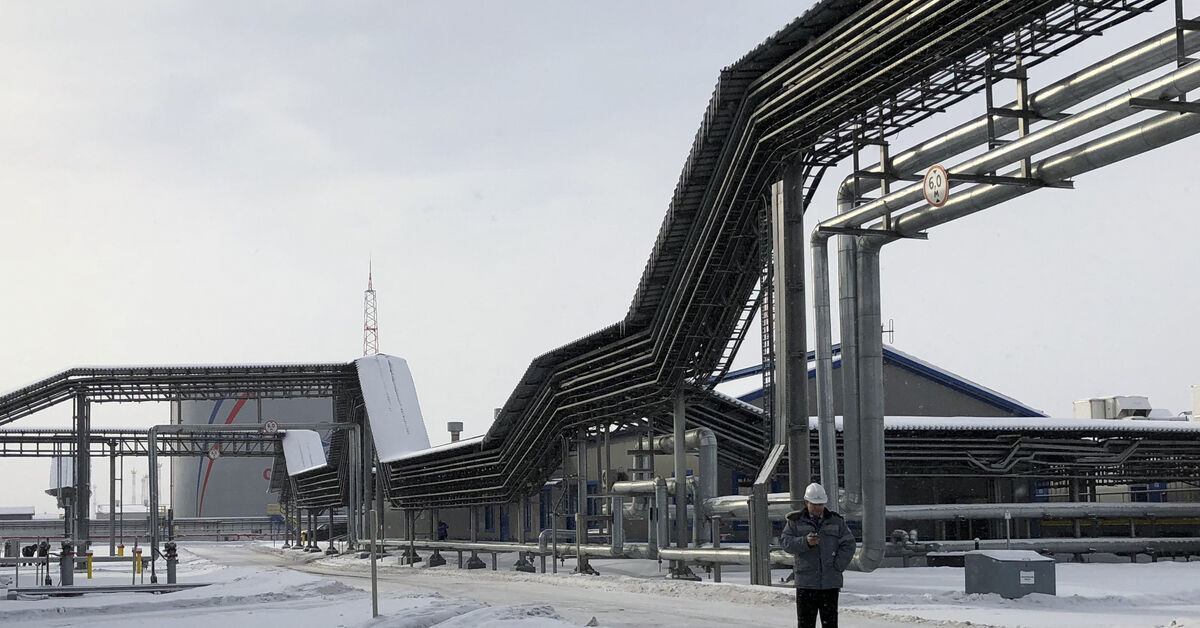
BRUSSELS, March 24 (Reuters) – The European Commission will no longer submit a legal proposal to permanently ban Russian oil imports over Moscow’s war in Ukraine on April 15 as previously planned, an updated EU legislative agenda showed on Tuesday.
An EU official, however, told Reuters the proposal had not been cancelled and would still be published though no longer by the mid-April date due to “current geopolitical developments”.
The U.S.-Israeli war on Iran is creating the biggest oil supply disruption in history, according to the International Energy Agency, sending global crude prices soaring.
The proposal would fix into law a full phase-outof Russian oil imports by no later than end-2027. The European Union has already legislated a phase-out by late 2027 of gas imports from Russia.
PROPOSAL WOULD KEEP BAN IN PLACE IF RUSSIA SANCTIONS LIFTED
The measure would have little immediate impact on physical supplies, since the EU was importing just 1% of its oil from Russia by the final quarter of 2025, having slashed imports since Moscow’s full-scale invasion of Ukraine in 2022.
But Brussels wants to enshrine a full phase-out of Russian oil in legislation that would remain in place, even if a peace deal in the Ukraine war eventually leads to the EU lifting sanctions.
EU sanctions on seaborne Russian oil have already eliminated most of the bloc’s imports.
Hungary and Slovakia were the only two EU countries still importing Russian oil by January 27, when Kyiv said a Russian drone strike hit pipeline equipment in Ukraine, disrupting Russian oil shipments. Budapest and Bratislavahave accused Ukraine of deliberately delaying the resumption of oil flows, triggering a political dispute that has seen Hungary block an EU loan to Kyiv.
The initial April 15 date would have seen the EU proposal land three days after Hungary’s parliamentary election. Hungarian Prime Minister Viktor Orban, who has maintained cordial ties with Moscow despite the Ukraine war, isstrongly opposed to any ban.
European Commission President Ursula von der Leyen said this month that returning to Russian energy would be “a strategic blunder” and make Europe more vulnerable.
(Reporting by Kate Abnett; Editing by Inti Landauro and Joe Bavier)