
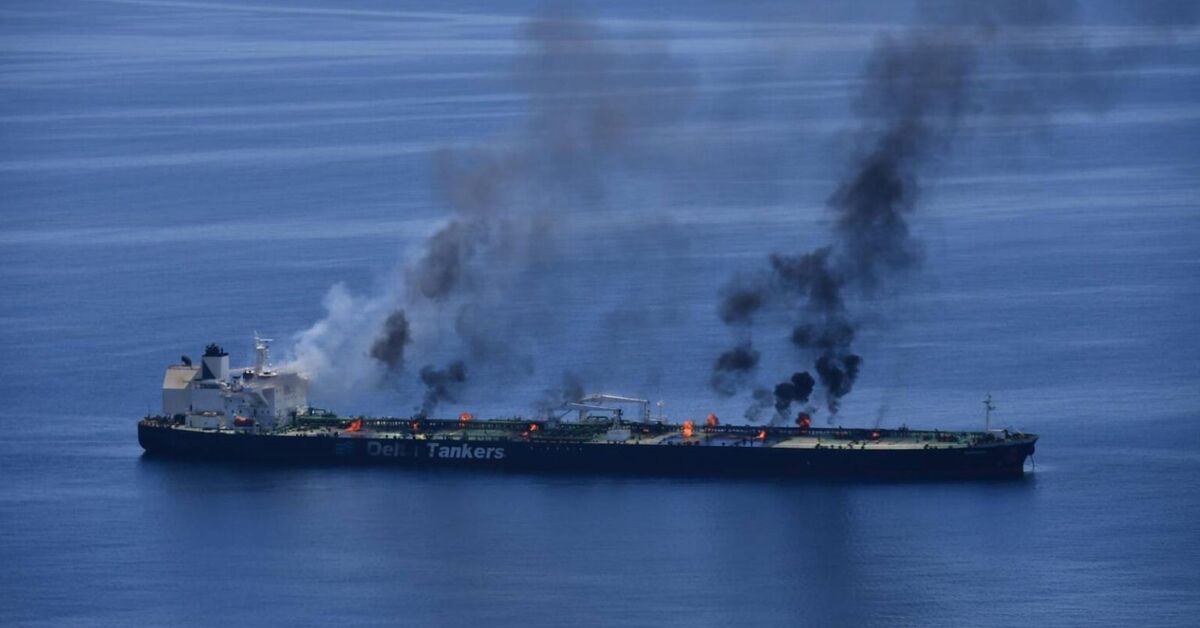


A spokesperson for the Yemen-based Houthi rebel group said on Thursday that the Yemeni group planned to tow a Greek-flagged oil tanker set ablaze by their missiles to safety as concerns grow about maritime and environmental damage in the Red Sea.
“After several international parties contacted us, especially the European ones, they were allowed to tow the burning oil tanker MV Sounion,” Houthi spokesperson Mohammed Abdulsalam wrote on the X platform.
ندين بشدة إقدام كيان العدو الصهيوني من خلال جنوده المجرمين على تدنيس أحد مساجد غزة وإحراق نسخ من القرآن الكريم المقدس. إن ما شجع كيان العدو على انتهاك المقدسات الإسلامية وامتهان كرامة هذه الأمة هو ما يراه من خذلان رسمي عربي وإسلامي للشعب الفلسطيني في غزة، كما نجدد إدانتنا…
— محمد عبدالسلام (@abdusalamsalah) August 24, 2024
Abdulsalam justified the Aug. 23 attack on the vessel, which was carrying 150,000 tons of crude from the southern Iraqi port city of Basra. The Houthis are determined “to prevent any ship from crossing to the ports of occupied Palestine,” he said.
Abdulsalam said the continued campaign of attacking ships was intended to “exert pressure” on Israel and “stop its aggression on Gaza.”
Any shipping companies with potential links to the Jewish state will continue to “remain vulnerable” to attack until Israel’s operation in Gaza is over and the siege on the Strip is lifted.
His comments follow the European Union’s warning on Monday that MV Sounion posed a serious risk to both navigation and the environment. Unconfirmed reports suggest that the tanker has begun leaking oil.
The Houthis joined the Israel-Hamas conflict on Oct. 30 and vowed to attack any ships with Israeli ownership, bound for or returning from one of the country’s ports.
Due to their geographical proximity to the Bab el-Mandeb Strait, the Houthis have close access to attack vessels transiting the passageway, through which 10% of the world’s seaborne oil trade flows.
The Houthis’ repeated attacks have forced several shipping liners to reroute via the longer Cape of Good Hope route, which adds at least 10 days onto the journey, increasing freight costs and complicating global supply chains.
Despite their vow to target Israel-linked ships, the Houthis have also attacked other vessels that transit the Red Sea and have also stepped up attacks in the Indian Ocean.