
By Olivia Le Poidevin
GENEVA, March 3 (Reuters) – Iran’s ambassador to the United Nations in Geneva on Tuesday ruled out for now any negotiations with the United States, three days after the U.S. and Israel launched joint strikes on his country.
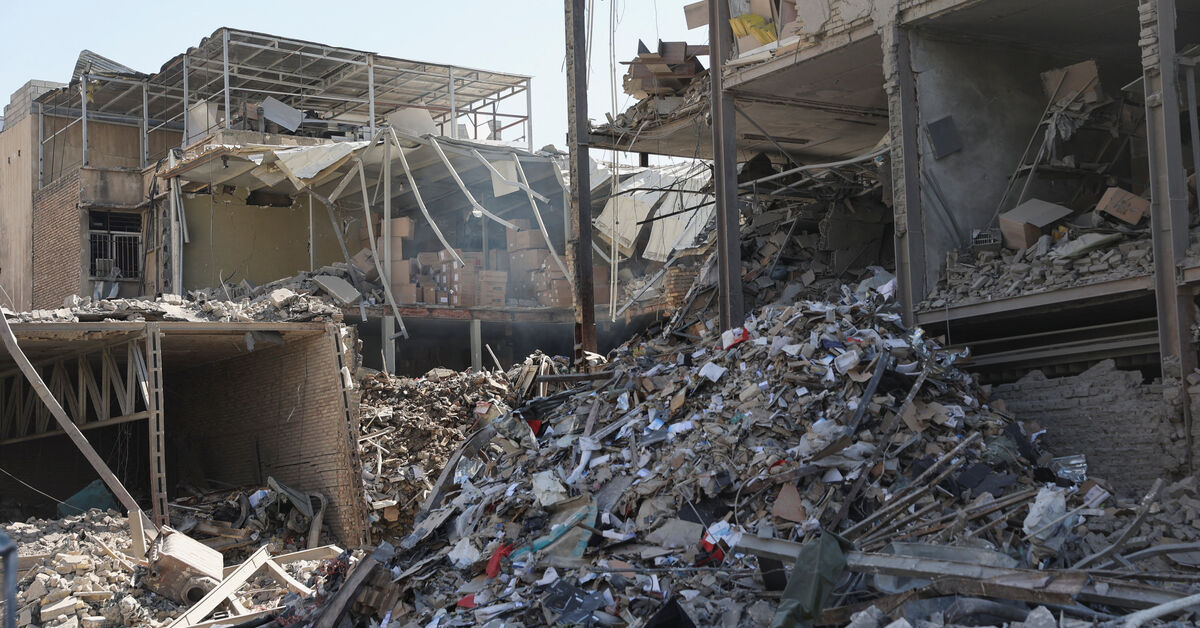
Explosions rocked Tehran again on Tuesday, and financial markets around the world tumbled amid fears of a prolonged disruption to global energy supplies. U.S. President Donald Trump and Israel’s Prime Minister Benjamin Netanyahu have given open-ended answers when asked how long the war might last.
Ali Bahreini, ambassador of the Iranian mission to the U.N. in Geneva, told reporters that Iran had not contacted the U.S. either directly or indirectly about holding talks to de-escalate the conflict or about resuming negotiations over Tehran’s nuclear programme.
Asked about the prospects for any talks, Bahreini said: “For the time being we are very doubtful about the usefulness of negotiation… The only language for talking with the United States is the language of defence.”
“I don’t think it is a time for having any kind of negotiation from our side,” he added.
Iranian and U.S. negotiators held talks in Geneva last Thursday which Oman, their mediator, said had produced progress, but the U.S. and Israel began their airstrikes on Iran two days later, killing Supreme Leader Ali Khamenei and other senior Iranian officials and triggering a regional crisis.
Iran has retaliated by firing missiles and drones at neighbouring Gulf Arab states and at Israel and by strangling shipping through the Strait of Hormuz, where a fifth of the world’s oil and huge volumes of gas skirt its coastline.
Trump has suggested the war could take four or five weeks, while Netanyahu has said it is “not going to take years”.
A source familiar with Israel’s war plan told Reuters on Tuesday that the Israeli campaign had been planned to last two weeks and was moving faster than expected.
(Reporting by Olivia Le Poidevin, Editing by Gareth Jones)