
By Parisa Hafezi, Enas Alashray and Kanishka Singh
DUBAI/CAIRO/WASHINGTON, March 10 (Reuters) – Iran’s Revolutionary Guards said on Tuesday they would not allow “one litre of oil” to be shipped from the Middle East if U.S. and Israeli attacks continue, prompting a warning from President Donald Trump that the U.S. would hit Iran much harder if it blocked exports from the vital energy-producing region.
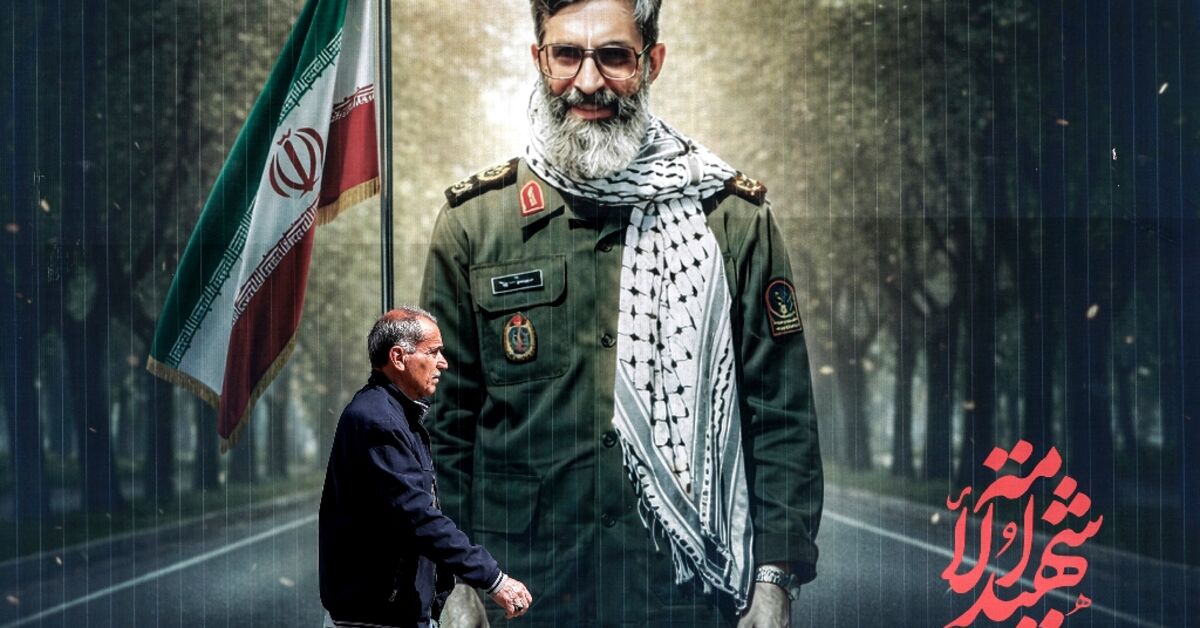
Trump’s comments came after global financial markets seesawed on Monday on concerns that Iran’s security establishment was rallying behind new Supreme Leader Mojtaba Khamenei and was not prepared to back down any time soon.
Trump said the United States had inflicted serious damage on Iran’s military and predicted the conflict would end well before the initial four-week time frame he had laid out, though he has not defined what victory would look like.
Israel says its war aim is to overthrow Iran’s system of clerical rule. U.S. officials mainly say Washington’s aim is to destroy Iran’s missile capabilities and nuclear programme, but Trump has said the war can end only with a compliant Iranian government.
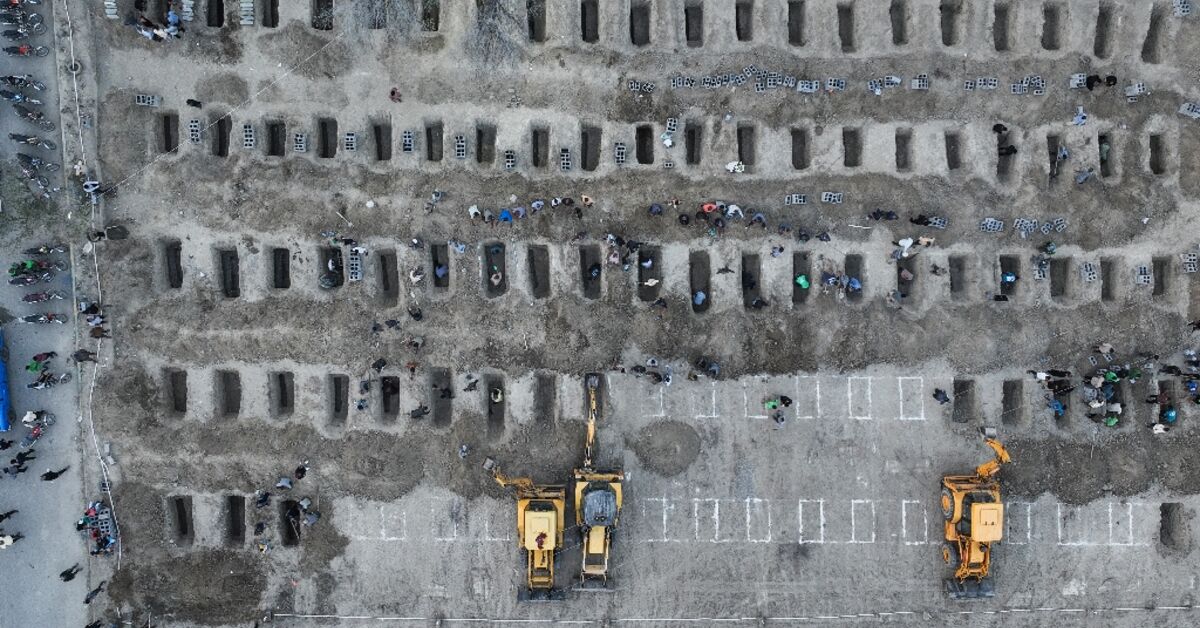
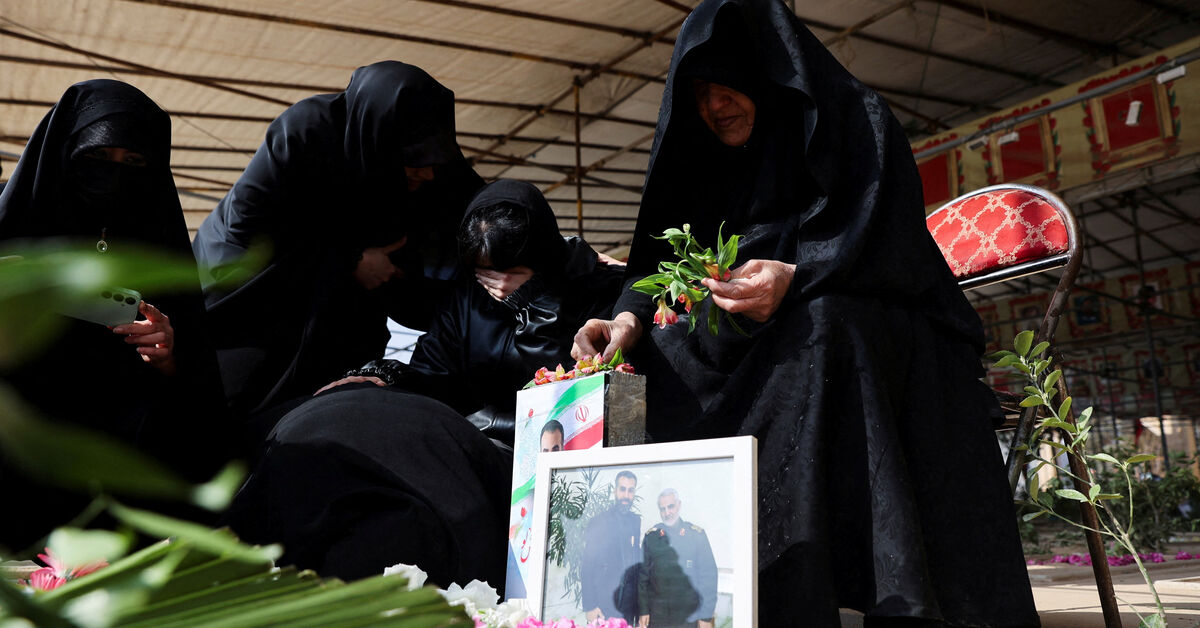
At least 1,332 Iranian civilians have been killed and thousands wounded since the U.S. and Israel launched a barrage of air and missile strikes across Iran at the end of February, according to Iran’s U.N. ambassador.
Trump warned that U.S. attacks could rise sharply if Iran sought to block tanker traffic through the Strait of Hormuz, which handles one-fifth of the world’s oil supply.
“We will hit them so hard that it will not be possible for them or anybody else helping them to ever recover that section of the world,” Trump said at a news conference on Monday.
IRAN SAYS IT WILL DETERMINE END OF WAR
Iran’s Islamic Revolutionary Guards Corps said it would not allow any oil to leave the region if attacks from the United States and Israel continue.
“We are the ones who will determine the end of the war,” a spokesperson said, according to state media.
In a later Truth Social post, Trump repeated his warning.
“If Iran does anything that stops the flow of Oil within the Strait of Hormuz, they will be hit by the United States of America TWENTY TIMES HARDER than they have been hit thus far,” he said.
The war has already effectively shut the Strait of Hormuz, leaving tankers unable to sail for more than a week and forcing producers to halt pumping as storage facilities fill.
Mojtaba Khamenei’s appointment on Monday appeared to dash hopes of a swift end to the war, sending oil markets surging and share markets nosediving, before swinging in the other direction when Trump predicted a quick end to the war and reports of a possible ease in sanctions on Russian energy.
After speaking with Russian President Vladimir Putin, Trump said the United States will waive oil-related sanctions on “some countries” to ease the shortage. According to multiple sources, that could mean a further easing of sanctions on Russian oil, which could complicate efforts to punish Moscow for its war in Ukraine. Other options include a possible release of oil from strategic reserves or restricting U.S. exports, sources said.
Brent crude futures fell more than 10% on Tuesday after soaring by as much as 29% on Monday to their highest since 2022. Global stock markets also bounced.
The price of gasoline has particular political resonance in the United States, where voters cite rising costs as a top concern ahead of the November midterm elections, when Trump’s Republicans will try to keep control of Congress.
A Reuters/Ipsos poll released Monday found 67% of Americans expect gas prices to rise over the coming months, and only 29% approve of the war.
OIL REFINERY HIT
Tehran was choked in black smoke after an oil refinery was hit, an escalation in strikes on Iran’s domestic energy supplies. World Health Organization chief Tedros Ghebreyesus warned the fire risks contaminating food, water and air.
Turkey said NATO air defences had shot down a ballistic missile that was fired from Iran and entered Turkish airspace, the second such incident of the war. Iran did not immediately comment on the report.
Israel’s military said it had launched new attacks in central Iran and struck the Lebanese capital Beirut, where Israel has extended its campaign after the Iran-backed militia Hezbollah fired across the border.
In Australia, five Iranian women’s soccer team players were granted humanitarian visas after they sought asylum fearing persecution in their home nation. Canberra has also promised to send military surveillance aircraft to the Middle East and missiles to the United Arab Emirates to help them defend themselves against attacks from Iran.
(Reporting by Reuters bureaux, Writing by Lincoln Feast; Editing by Michael Perry)