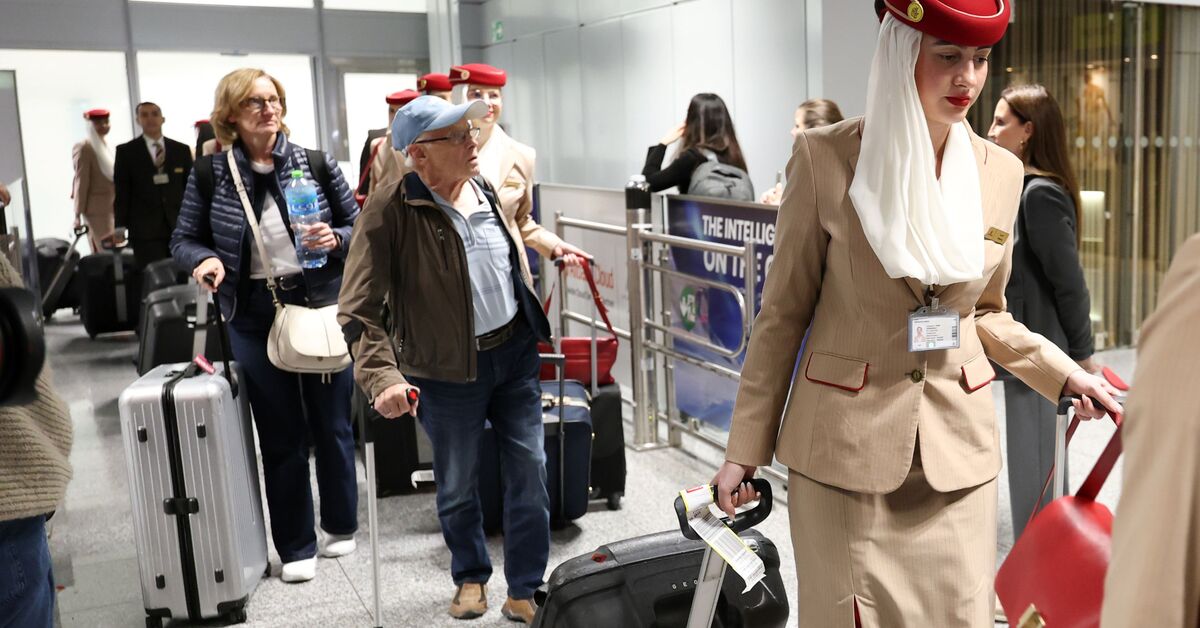

Evacuation flights for foreign nationals based in the Middle East picked up pace Thursday, even as chaos gripped the region’s main aviation corridors due to an escalation of missile and drone attacks from Iran.
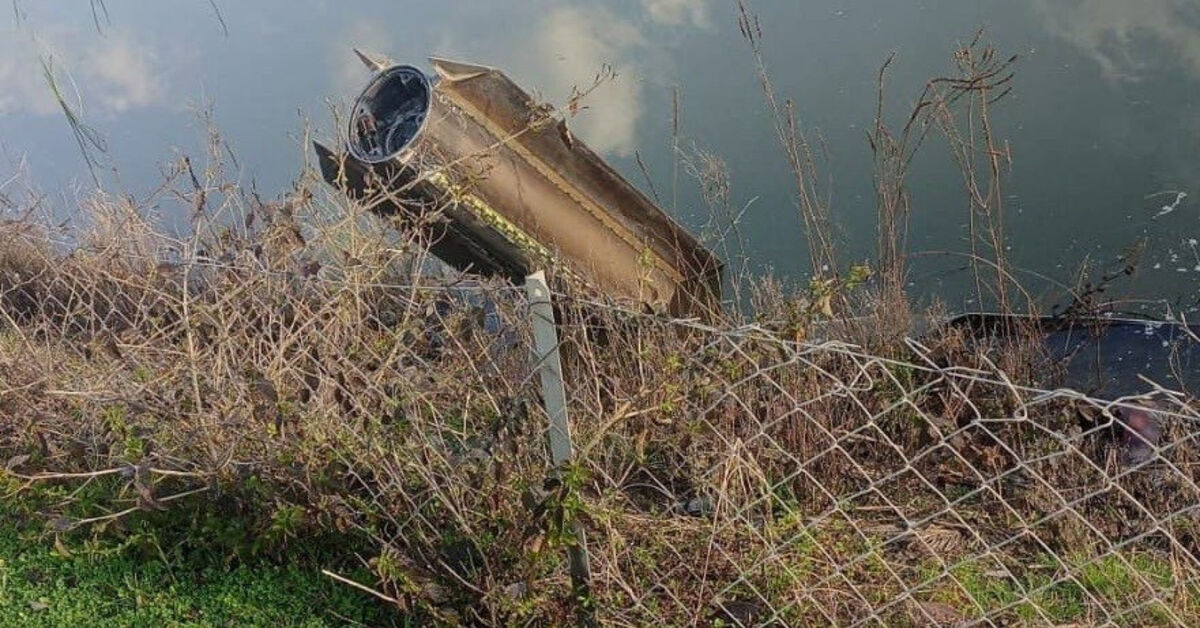
What happened: Dozens of international flights bound for Dubai and Abu Dhabi were forced to hold or divert after the UAE’s Ministry of Defense confirmed it had intercepted six ballistic missiles and 125 drones on Thursday. Witnesses and social media videos reported several thunderous explosions near Zayed International Airport in Abu Dhabi.
For a fifth day since the outbreak of the war between the United States, Israel and Iran on Feb. 28, governments around the world scrambled to bring their citizens home safely.
On Thursday, a Lufthansa plane carrying the first German evacuation flight from the Middle East arrived in Frankfurt. It was unclear how many people were on the Airbus A340-300, which seats 279. German Foreign Minister Johann Wadephul said at a press briefing in Berlin on Tuesday that vulnerable groups including pregnant women, children and sick people were prioritized for evacuation.
The first chartered British evacuation flight scheduled to depart Muscat, Oman, on Wednesday night did not take off as planned. A Foreign Office spokesperson said on Thursday that the government-chartered flight had been unable to depart due to technical issues and was expected to leave later in the day.
At a press conference at Downing Street on Wednesday, Prime Minister Keir Starmer stressed the size of the evacuation operation.
“I want to be very clear: This is a huge undertaking. It’s one of the biggest operations of its kind, many times bigger than the evacuation from Afghanistan. It’s not going to happen overnight, but we will not stop until our people are safe,” Starmer said.
France, the Netherlands and Spain also evacuated citizens from Jordan, Saudi Arabia and the UAE on Wednesday.
The first flight repatriating French nationals landed in Paris early on Wednesday. French authorities booked about 100 seats for vulnerable people on a priority list, according to Eleonore Caroit, the minister responsible for French nationals abroad. She added that the plane departed Muscat and made a stop in Cairo before landing at Paris’ Charles de Gaulle airport.
India has also been evacuating its citizens for the last three days. India’s Ministry of External Affairs said on Wednesday that it had set up a control room to assist those impacted by the crisis, adding that the safety and well-being of its 10 million nationals in the Gulf were its “utmost priority.”
China, Australia and Canada are also evacuating their citizens this week.
Why it matters: The evacuation flights come amid US and Israeli bombardment of Iran, while Tehran has been firing back with missiles and drones across Israel and the Gulf. Governments are coming under increasing pressure to evacuate their citizens, many of whom are still stranded in the Middle East.
The war has upended the aviation sector to extremes not seen since the COVID-19 pandemic. The aviation analytics firm Cirium said on Wednesday that of the 36,000 scheduled flights to or from the Middle East since Feb. 28, more than 23,000 have been canceled, the equivalent of around 4.4 million seats.
Regional governments have been working together to create air corridors. UAE Minister of Economy and Tourism Abdulla Bin Touq Al Marri said on Tuesday that the country had opened safe air corridors in coordination with other Gulf countries, with a current handling capacity of 48 flights per hour.
Know more: The first airlifts began on Monday, with Slovakia and Russia moving citizens out of Jordan and Iran via Azerbaijan and Turkmenistan, respectively.
The European Union and the United States started evacuating citizens from the region on Tuesday.
More than 17,500 US citizens have returned from the Middle East since Saturday, the State Department said in a Wednesday statement.