
More than 30,000 people have been forced to flee their homes in Lebanon by the escalation of hostilities in the Middle East, the United Nations said Tuesday.
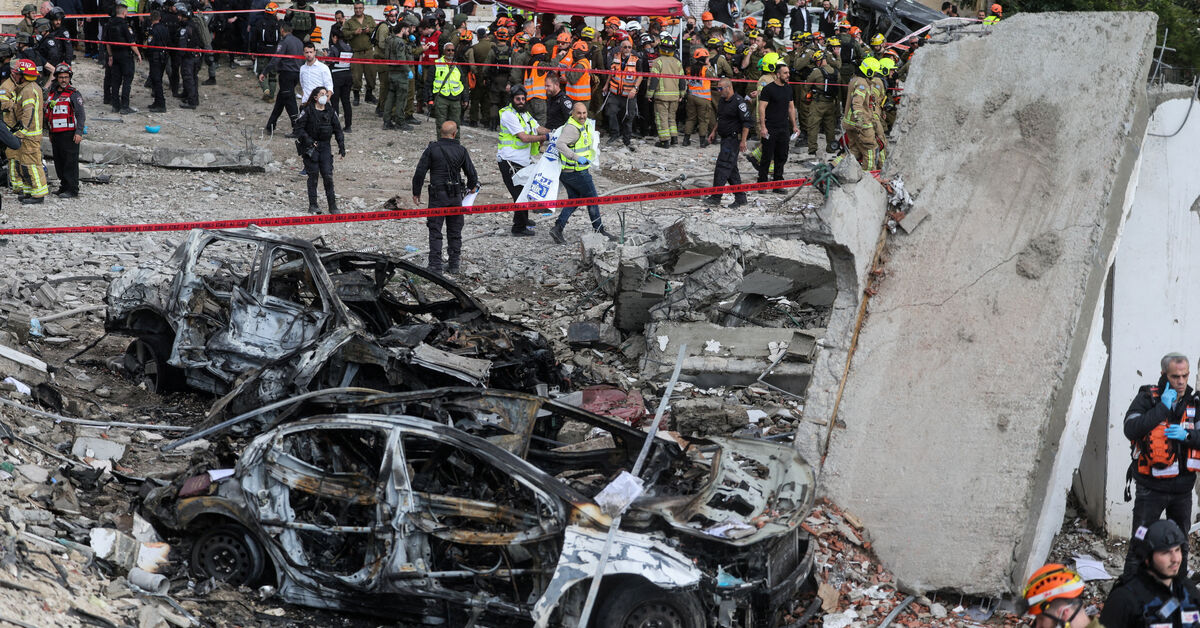
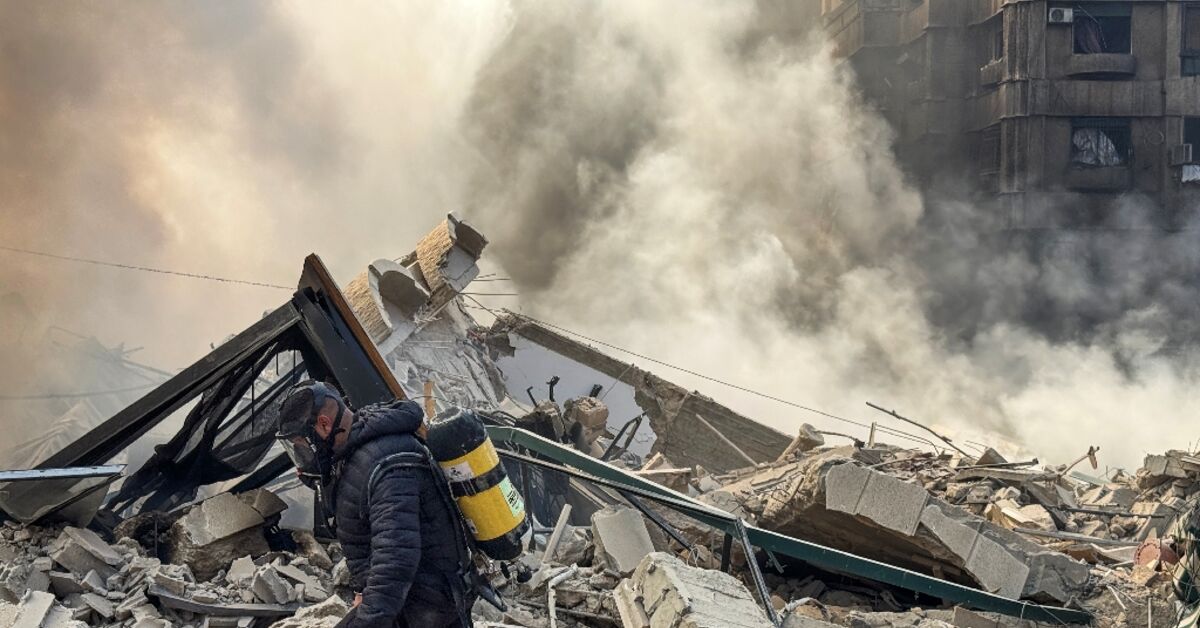
Israel is continuing to carry out air raids in Lebanon in a campaign against Iran-backed militant group Hezbollah, particularly on the southern suburbs of the capital Beirut and the south of the country, after issuing evacuation warnings to residents.
“As of Monday, more than 31,000 people were being hosted and registered at collective shelters” in Lebanon, Babar Baloch, spokesman for the UN refugee agency, UNHCR, told AFP.
At a press conference in Geneva, he said many more “slept in their cars on the side of roads, or were still stuck in traffic jams on the roads leaving the south of Beirut”.
Baloch said others were attempting to leave on foot with limited belongings, seeking safety in other areas as the war triggered by the US-Israeli strikes on Iran engulfs the region.
“Heavy displacement is being reported across parts of southern Lebanon, the Bekaa and southern suburbs of Beirut, after Israel issued evacuation warnings to the residents of more than 53 Lebanese villages, and intense air strikes across all three parts of Lebanon,” he said.
Baloch said that on the Lebanon-Syrian border, UNHCR had noticed an increase in regular movements, with a few hundred more Syrian refugees crossing back into Syria.
“We have a contingency plan for any possible influx from Lebanon in case things develop,” he said.
– ‘Nowhere else to turn’ –
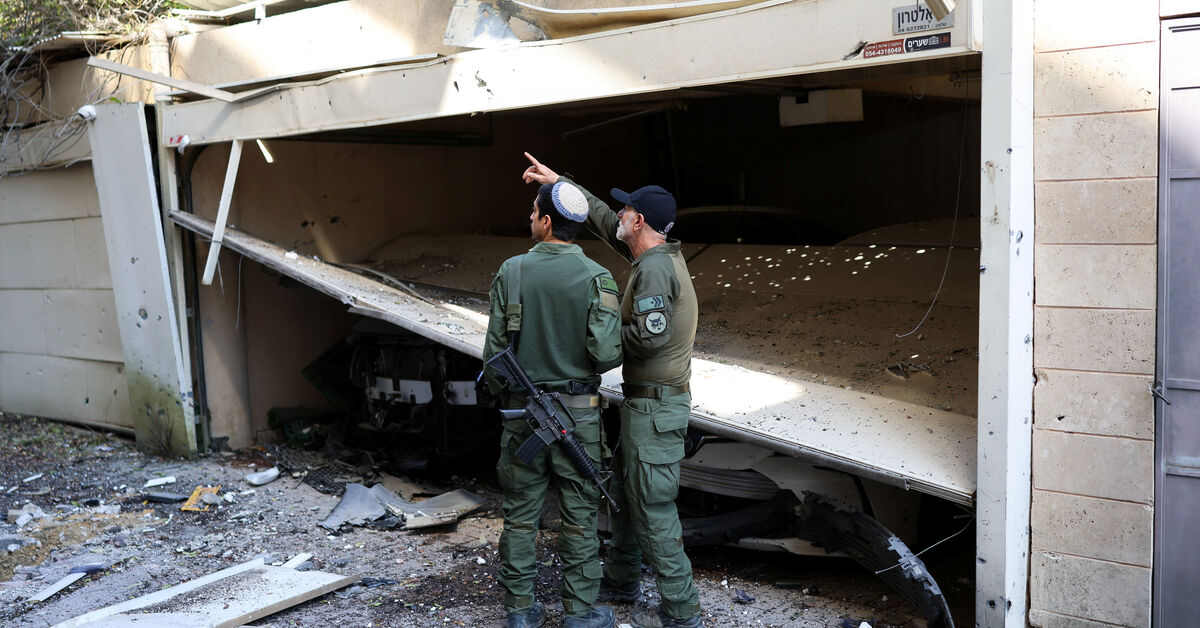
Hezbollah on Tuesday said it had targeted three Israeli military bases in response to Israeli strikes on the group’s strongholds in Lebanon, including the south Beirut suburbs.
UN rights office spokeswoman Ravina Shamdasani voiced grave concern at the escalation of hostilities in Lebanon.
She cited reports of civilian casualties and damage to civilian infrastructure, plus significant re-displacement in southern Lebanon.
“We urge both parties to immediately end this major escalation in violence and to return to the agreed ceasefire,” she said.
The UN’s World Food Programme said it had already begun distributing meals to people uprooted by the conflict.
“Within hours of shelters opening in Lebanon, WFP was on the ground — providing hot meals, ready-to-eat rations, and bread to families who had nowhere else to turn,” the agency’s Middle East regional director Samer Abdeljaber said.
Speaking from Cairo, he said the WFP expected the number of people forced from their homes to climb “much higher”.
The agency is working with the Lebanese government to get an emergency cash safety net up and running for 100,000 people, if the situation deteriorates further.
Abdeljaber said the conflict’s impact on shipping and air transport were piling pressure on humanitarian supply chains.
With airspace and shipping routes choked, WFP is trying to switch to overland corridors from Turkey, Egypt, Jordan, Pakistan and the United Arab Emirates.