
TAMPA, Florida — The next phase of the US bombing campaign in Iran will go beyond destroying Iran’s ballistic missile stockpiles and launchers to destroying its weapons manufacturing abilities, top Pentagon officials said Thursday.
“The president gave us another task: to raze — or level — Iran’s ballistic missile industrial base,” the top US commander overseeing the effort, Navy Adm. Brad Cooper, told reporters gathered at CENTCOM headquarters on Thursday.
“So as we transition to the next phase of this operation, we will systematically dismantle Iran’s missile production capability for the future,” Cooper said.
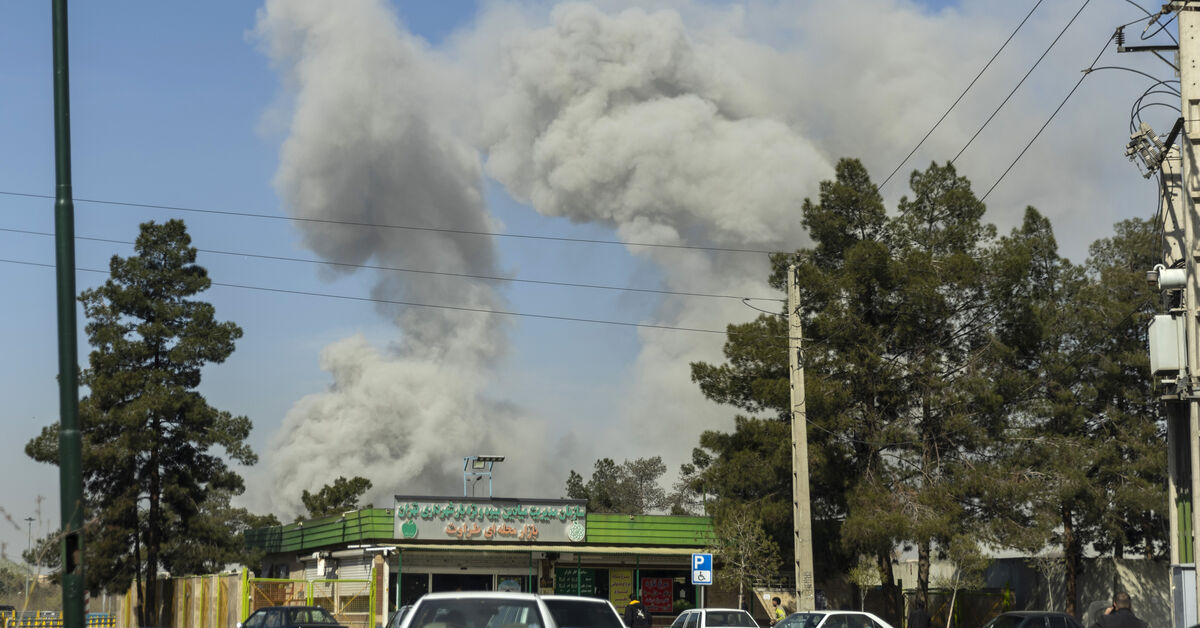
American bomber aircraft have hit more than 200 sites across Iran since Tuesday, Cooper told reporters, while air and naval strikes have destroyed more than 30 Iranian naval vessels, including the IRGC’s flagship seafaring drone-carrier.
On Thursday, US Air Force B2 stealth bombers dropped “dozens” of 2,000-lb. ground-penetrating bombs on suspected subterranean missile launchers Thursday night, he said, adding that US aircraft also targeted “Iran’s equivalent of [US] Space Command,” apparently in reference to the headquarters of the IRGC’s Aerospace Force in western Tehran.
Commercially available satellite imagery appeared to show some damage to at least four buildings at the site as of Wednesday, with one building apparently totally destroyed.
“This is going to take some time, but our forces are well-supplied,” Cooper said.
The CENTCOM commander’s remarks came after he briefed US Defense Secretary Pete Hegseth for nearly two hours at CENTCOM headquarters at MacDill Air Force Base in Tampa, Florida. Hegseth arrived in Tampa earlier on Thursday after a stop at US Southern Command (SOUTHCOM) headquarters in Doral, Florida.
Speaking to reporters at the end of the sixth day of the US-Israeli war with Iran, however, neither Cooper nor the defense secretary explained how dismantling Iran’s military forces and killing its political leaders is expected to help achieve Washington’s core strategic goal of severing the Iranian government’s ability to create a nuclear weapon.
Hegseth did not answer that question when asked by Al-Monitor as he exited the press briefing at CENTCOM headquarters on Thursday.
Pentagon officials across recent US presidential administrations have held that aerial and naval bombardment alone cannot totally destroy the Iranian government’s nuclear ability to weaponize fissile material. Some Iran analysts have argued that killing Iranian leaders while destroying Iran’s military and proxy networks could push hard-line members of the IRGC to attempt to race to create a nuclear weapon.
President Donald Trump has not publicly ruled out potentially inserting military personnel into Iran for contingency operations. White House Press Secretary Karoline Leavitt said Wednesday that inserting ground troops was not a part of the military’s “current plan.”
Asked on Thursday during the press briefing at CENTCOM whether US aircraft were avoiding bombing the Isfahan nuclear facility to avoid disrupting suspected enriched uranium stockpiles believed to be buried there, and whether they would consider sending in special operations forces to destroy it, the defense secretary replied:
“One of the objectives the president has always said is that Iran will not have nuclear bomb or nuclear capabilities, but we never disclose what we will or will not do inside of operational plans.”
“So Admiral [Cooper], who’s got a plan — we’re working that plan and targets will be struck or not struck according to what we want,” Hegseth said.
The defense secretary on Thursday instead focused on dispelling any doubt about the US military’s ability to sustain the campaign indefinitely. “Iran is hoping that we cannot sustain this, which is a really bad miscalculation for the IRGC,” he said.
“Our stockpiles of defensive and offensive weapons allow us to sustain this campaign as long as we need to,” Hegseth stated.
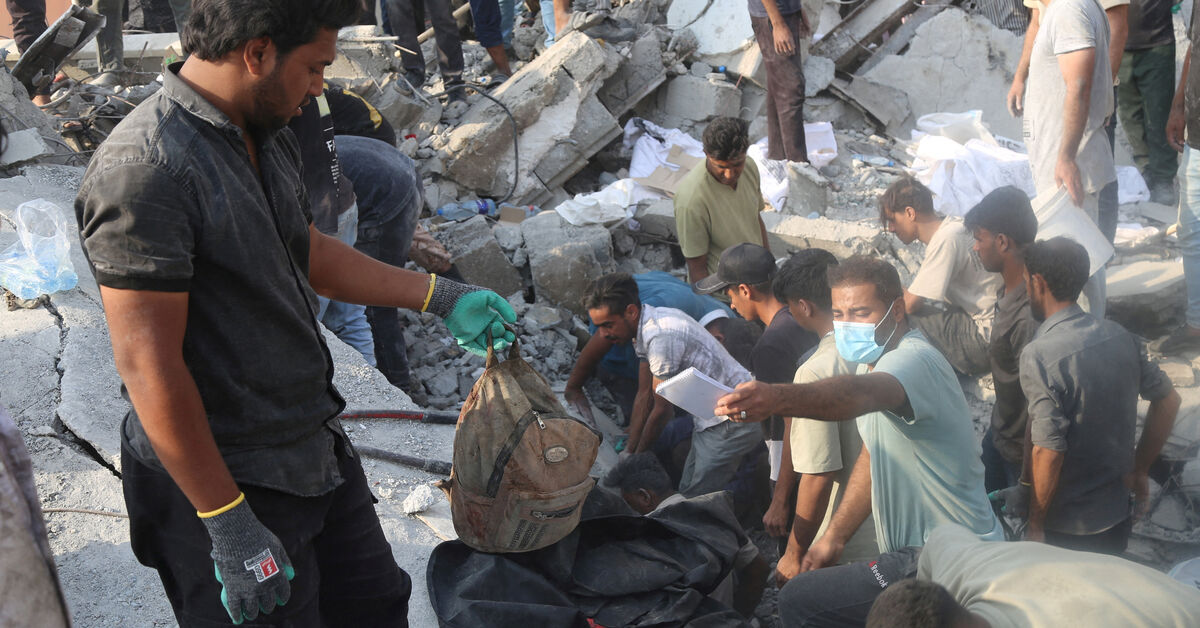
Iran has fired ballistic missiles and drones into a dozen countries since the US and Israeli strikes kicked off on Feb. 28, leading Trump to seek additional supplies of interceptor missiles in increasing short supply. According to the US-based Human Rights Activists in Iran, over 1,100 civilians have been killed in Iran since the US-Israeli campaign began.